Antyeshti (Last Rites Support)

Antyeshti (Last Rites) is the sacred Hindu ceremony performed to honor and liberate the departed soul. It helps the soul attain peace and moksha (salvation) while offering solace and closure to the grieving family.

Antyeshti (Last Rites Support)

Antyeshti (Last Rites) is the sacred Hindu ceremony performed to honor and liberate the departed soul. It helps the soul attain peace and moksha (salvation) while offering solace and closure to the grieving family.

The Antyeshti Sanskar, also known as the Hindu Last Rites Ceremony, is one of the sixteen sacred Samskaras (life sacraments) in Hindu tradition. The word “Antyeshti” means “the final sacrifice,” signifying the last offering made by the soul before its journey toward liberation.

This sacred ritual is performed with deep devotion and care to ensure the smooth transition of the departed soul from the physical world to the spiritual realm. The ceremony includes the pre-cremation rituals, cremation rites, and post-cremation ceremonies such as Asthi Visarjan (immersion of ashes), Pind Daan, and Shraddha to provide spiritual peace to the soul and comfort to the bereaved family.

Experienced and compassionate Pandit Jis guide every step — from arranging Puja materials to conducting the rituals as per Vedic traditions and family customs. The entire process is performed with utmost sanctity, respect, and adherence to dharmic principles, ensuring peace for the soul and strength for the family.

FAQs

1. What is the purpose of Antyeshti?
To perform the final rites that help the departed soul attain moksha and relieve it from the cycle of birth and death.

2. Who performs the rituals?
Traditionally, the eldest son or closest male relative performs the rites under the guidance of a Pandit Ji.

3. Can these rituals be done at home or cremation ground?
Yes, the initial and concluding rituals can be performed at home, while the cremation rituals are conducted at the cremation ground.

4. What are the main steps in Antyeshti?

  • Preparation of the body and last prayers

  • Cremation or funeral rites

  • Asthi Visarjan (immersion of ashes)

  • Pind Daan and Shraddha rituals for peace of the soul

5. How soon should it be done?
The cremation rites are generally performed within 24 hours, while Pind Daan and Shraddha follow on prescribed days (3rd, 10th, or 13th day).
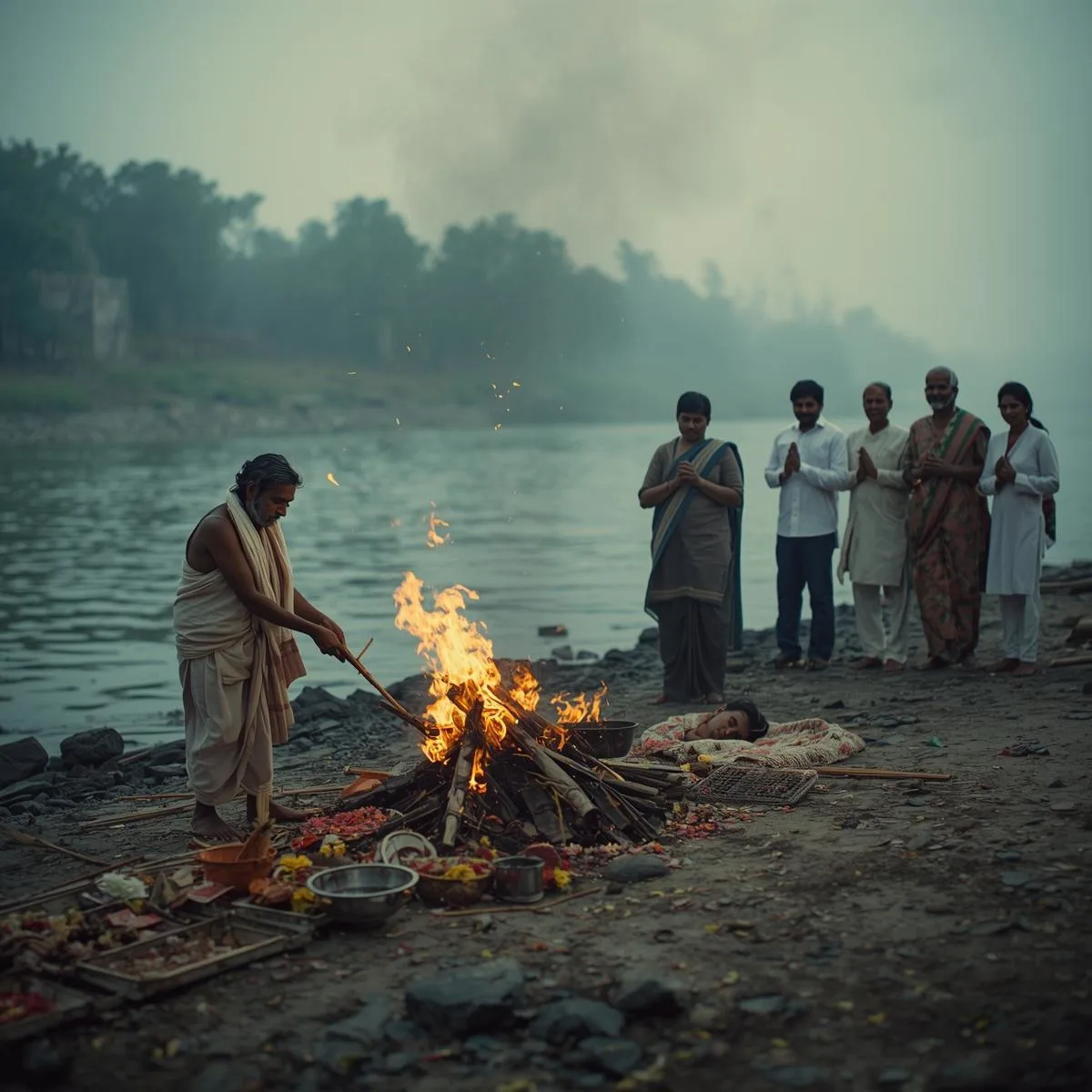

The Antyeshti Sanskar, also known as the Hindu Last Rites Ceremony, is one of the sixteen sacred Samskaras (life sacraments) in Hindu tradition. The word “Antyeshti” means “the final sacrifice,” signifying the last offering made by the soul before its journey toward liberation.

This sacred ritual is performed with deep devotion and care to ensure the smooth transition of the departed soul from the physical world to the spiritual realm. The ceremony includes the pre-cremation rituals, cremation rites, and post-cremation ceremonies such as Asthi Visarjan (immersion of ashes), Pind Daan, and Shraddha to provide spiritual peace to the soul and comfort to the bereaved family.

Experienced and compassionate Pandit Jis guide every step — from arranging Puja materials to conducting the rituals as per Vedic traditions and family customs. The entire process is performed with utmost sanctity, respect, and adherence to dharmic principles, ensuring peace for the soul and strength for the family.

FAQs

1. What is the purpose of Antyeshti?
To perform the final rites that help the departed soul attain moksha and relieve it from the cycle of birth and death.

2. Who performs the rituals?
Traditionally, the eldest son or closest male relative performs the rites under the guidance of a Pandit Ji.

3. Can these rituals be done at home or cremation ground?
Yes, the initial and concluding rituals can be performed at home, while the cremation rituals are conducted at the cremation ground.

4. What are the main steps in Antyeshti?

  • Preparation of the body and last prayers

  • Cremation or funeral rites

  • Asthi Visarjan (immersion of ashes)

  • Pind Daan and Shraddha rituals for peace of the soul

5. How soon should it be done?
The cremation rites are generally performed within 24 hours, while Pind Daan and Shraddha follow on prescribed days (3rd, 10th, or 13th day).
Secure Checkout

100% Safe Transactions

Book with Confidence

Every booking is protected

Secure Checkout

100% Safe Transactions

Book with Confidence

Every booking is protected